Choose the meal format before the dish. Ask about portions, ingredients and what is included before ordering.
A bowl and a shared grill are different kinds of meal
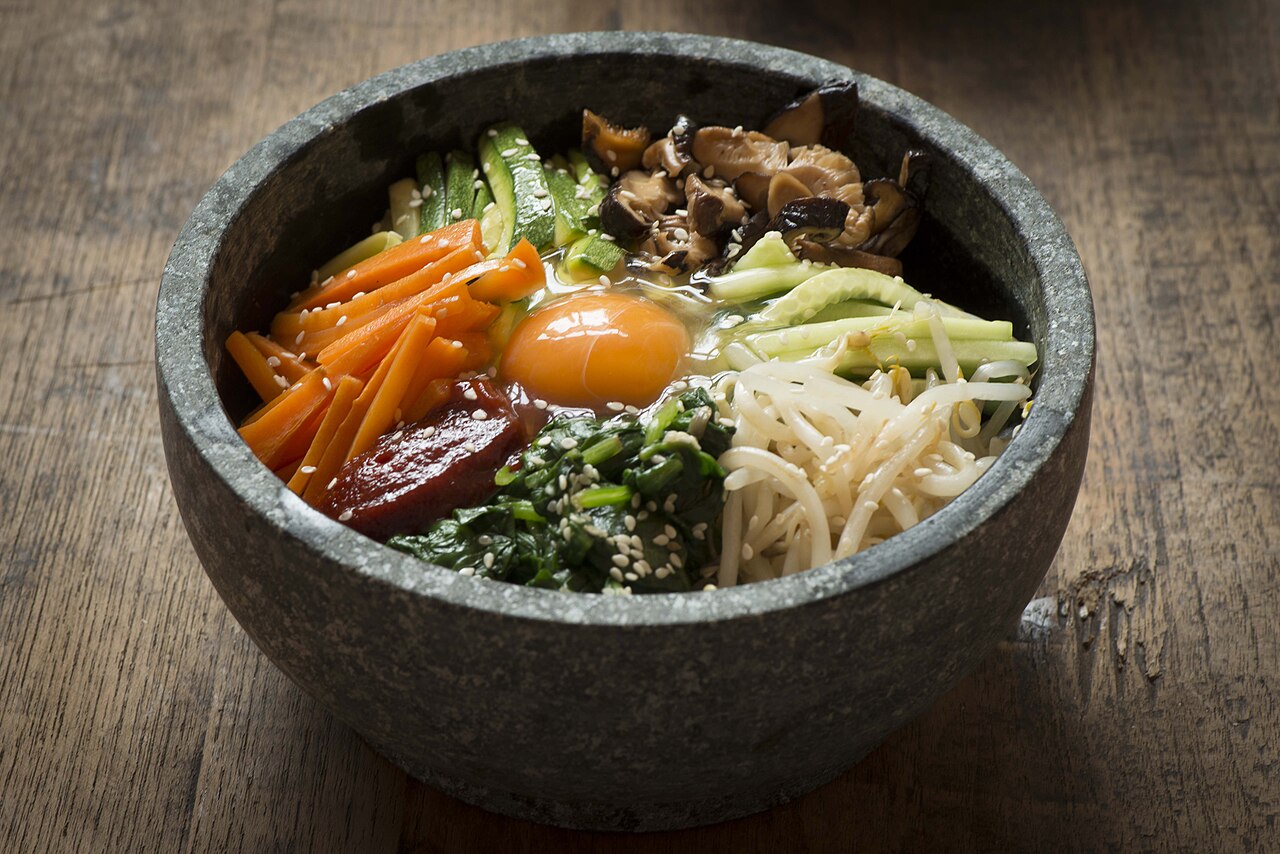
A Korean table may bring rice, soup and banchan together rather than as successive courses. Bibimbap combines rice with toppings to mix; barbecue centres on grilled ingredients and often shared accompaniments. Those formats give you a starting point, but the restaurant’s own menu decides the portions and inclusions.
For a solo lunch or a quick first meal, look for a clearly priced individual dish. For a relaxed group dinner, a shared grill may suit better. Ask whether there is a minimum order for the grill, whether rice is included and whether staff cook the meat. Do not turn one restaurant’s practice into a rule for every Korean restaurant.
| If you want… | Look for… | Ask before ordering |
|---|---|---|
| A straightforward individual meal | A bowl or set with a per-person price | What comes with this dish? |
| A shared dinner | A barbecue or sharing menu | How many portions do we need to order? |
| More control over spice | A dish with adjustable sauce, if offered | Can the sauce be served separately? |
Make the first order clear
Read whether a price is per serving, per person or for the whole dish. When a menu uses a photograph, confirm the dish name and size instead of assuming every item pictured is included. If you have a reservation, check whether it reserves a table or puts you on a waiting list.
At the table, start with the number of diners and the main dishes you want. Ask how additional sides, refills or drinks are charged. This avoids building the bill on assumptions about free extras. If there is a hot stone bowl or tabletop grill, leave the hot equipment to staff unless they explain how you should use it.
Ask about the part you cannot see
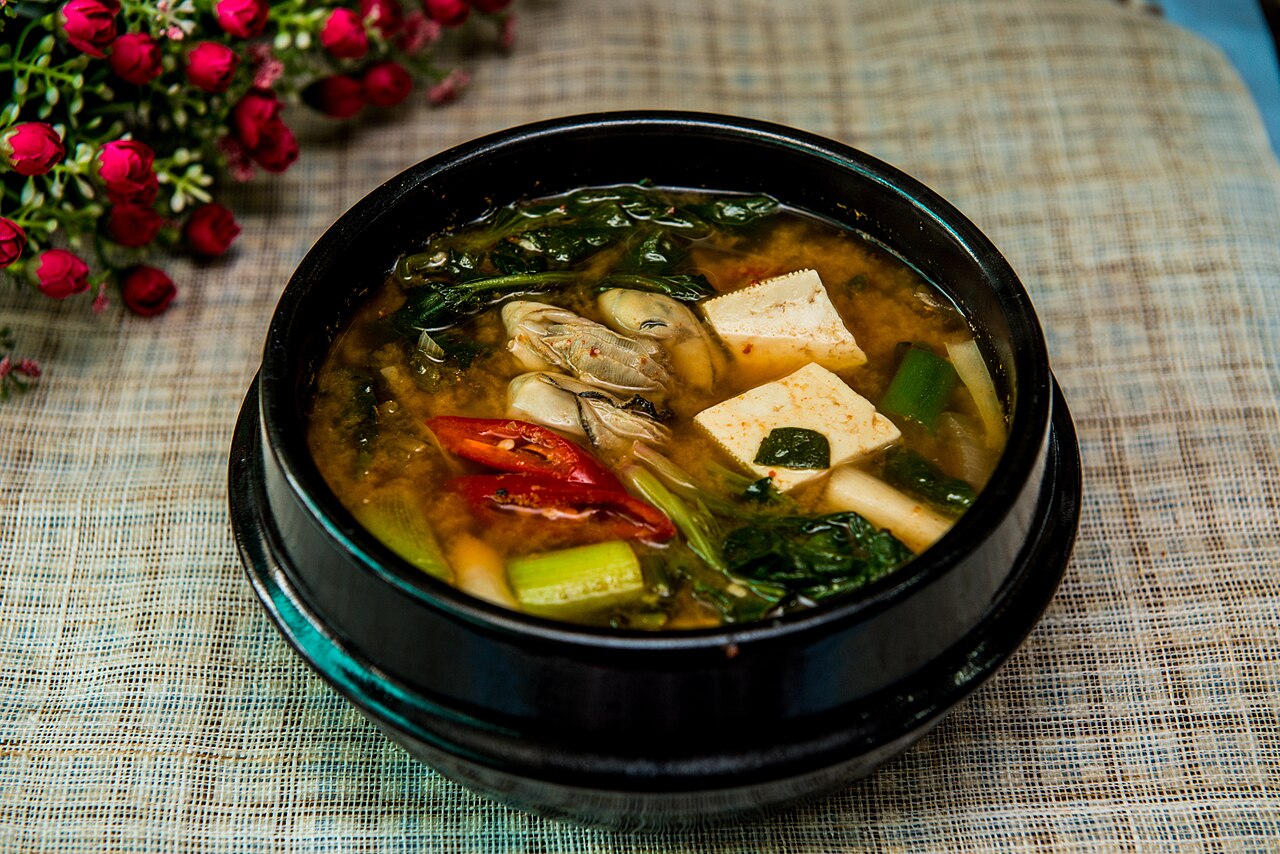
A vegetable topping does not tell you what is in the broth or sauce. KTO’s vegetarian guidance notes that kimchi can contain fish sauce or salted seafood. Ask about the actual preparation if you avoid an ingredient; a familiar dish name is not a complete ingredient list.
For bibimbap, questions might cover the meat topping, egg and sauce. For soup or noodles, ask about the stock as well as the visible garnish. When dietary restrictions are important, speak to the restaurant before ordering rather than removing an ingredient after the dish reaches the table.
Enjoy the meal without making etiquette a test
Watch how the restaurant serves the food and follow staff instructions for shared dishes. Use serving utensils where provided. If you are unsure whether something belongs to the whole table, ask; clarity is more useful than memorising a long list of supposed universal customs.
Before leaving, check the itemised bill against your order and ask where payment is taken. Keep the restaurant’s name and a note about what you enjoyed for your next meal. A useful food memory is a dish, a format and an ingredient preference, not a claim that one place represents all Korean cooking.