K-pop brings records, choreography, video, live performance and fan communities together. Follow its routes abroad, from early stages across Asia to YouTube, American charts and major festivals.
1920s–1945
Records, radio and early popular song
Under Japanese colonial rule, records and radio carried songs beyond live venues. Trot and new folk songs circulated alongside each other, and Lee Nan-young’s “Tears of Mokpo” became a familiar song nationwide. The variety of styles already on record matters when tracing the longer history of Korean popular music.
After the Korean War, stages serving the US Eighth Army gave local musicians regular work in styles such as jazz and swing. Han Myeong-suk, Hyun Mi and Patti Kim drew on that experience in Korean-language records. Songs such as Han’s “The Man in the Yellow Shirt” carried new rhythms and vocal styles into homes through records and broadcasts.
Acoustic folk found a young audience in the 1970s, while Shin Joong-hyun’s work drew on rock and soul. Censorship and song bans narrowed the space musicians could work in. In the 1980s, performers such as Cho Yong-pil moved between genres and reached several generations through television and records. Music programmes had become a major place to discover new releases.
Seo Taiji, first-generation idols and the Asian market
In 1992, Seo Taiji and Boys brought a striking blend of rap and dance to Korean television. Groups such as H.O.T. helped establish the agency-led idol model. BoA and TVXQ later showed how Korean acts could build audiences in Japan through local releases and promotion.
Wonder Girls reached No. 76 on the Billboard Hot 100 in 2009 with the English version of “Nobody”. Compare it with the Korean version to hear how a release could change languages while keeping the hook and retro styling.
Super Junior’s “Sorry, Sorry” and Girls’ Generation’s “Gee” show how a repeated hook works with group choreography. Events such as SMTOWN in Paris in 2011 let artists meet fans in Europe. EXO later released Korean and Chinese videos for “Growl”, another way to reach listeners across languages.
Released in July, “Gangnam Style” became YouTube’s first video to reach a billion views that December. Its comic portrait of Gangnam and instantly recognisable horse dance gave viewers material to remake and share. The parodies and covers helped carry a Korean-language song across borders.
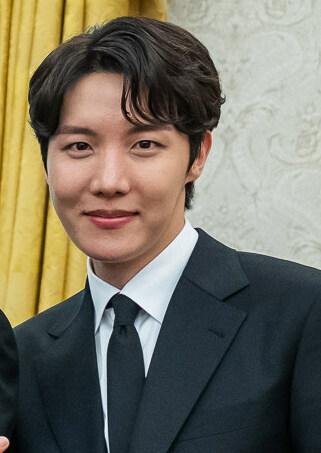
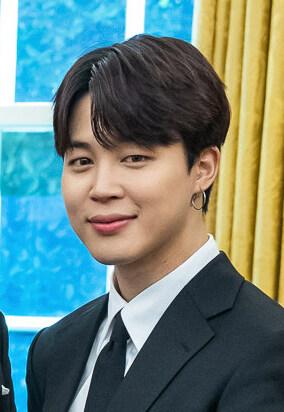
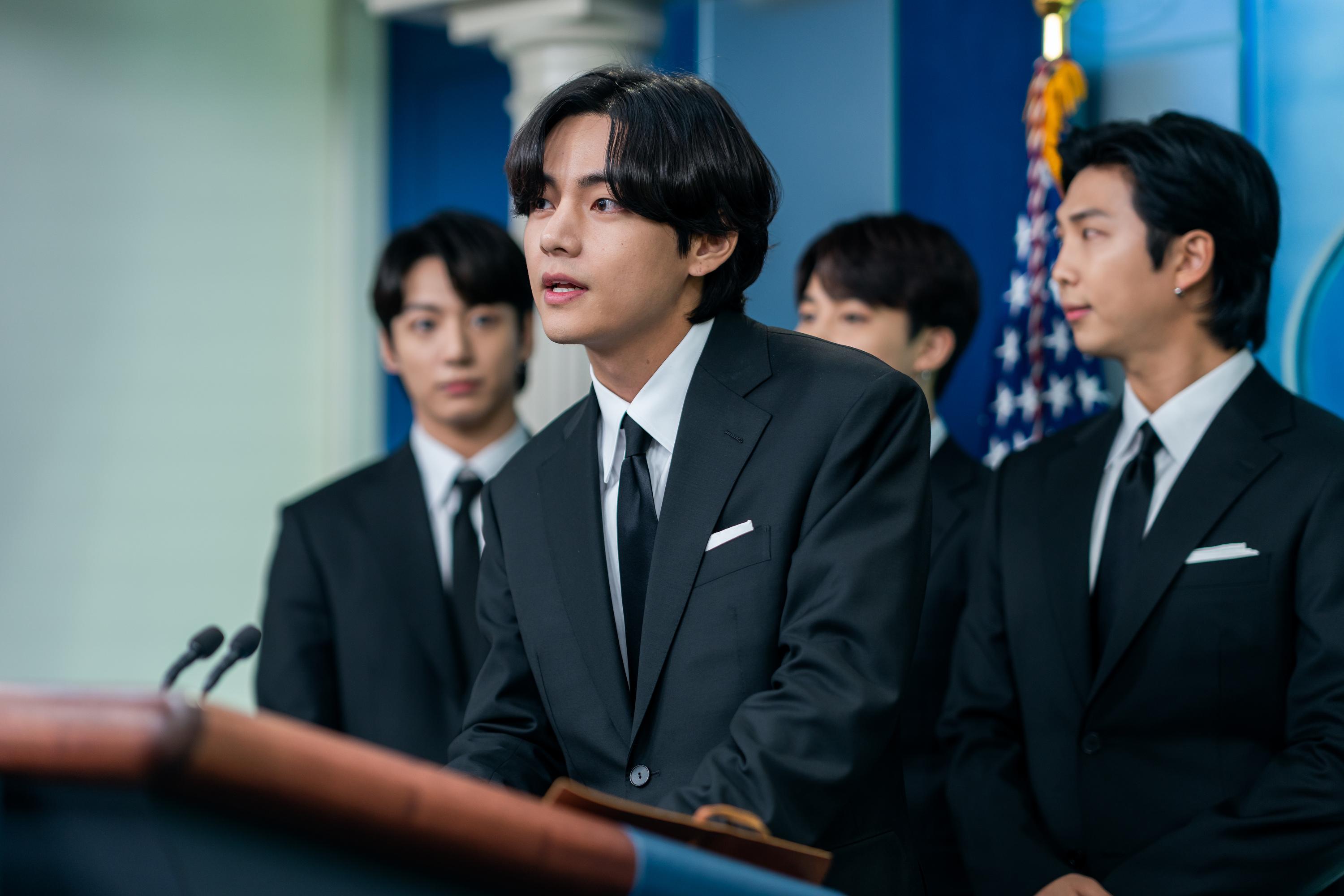
BLACKPINK’s 2018 single “DDU-DU DDU-DU” pairs a hip-hop beat with a hook you can recognise from its hand gestures alone. BTS’s English-language “Dynamite” debuted at No. 1 on the US Billboard Hot 100 in 2020. The two releases show how performance-led videos and American singles charts became parallel routes to a wider audience.
“Next Level” changes rhythm and mood midway through the song, while its video moves between the performers and a virtual world. It is a useful example of how an idol group can develop the same fictional setting across sound, choreography and video.
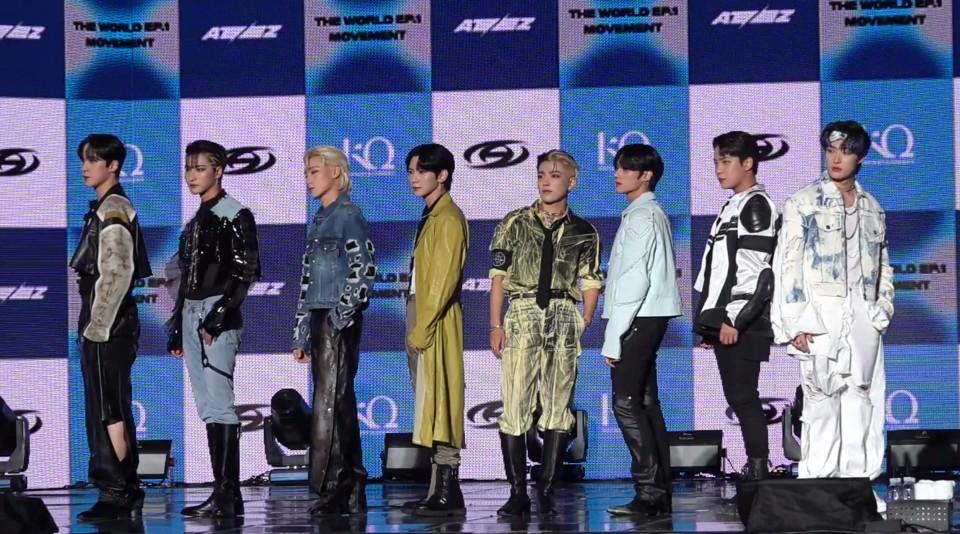
ATEEZ topped the Billboard 200 dated December 16, 2023, with THE WORLD EP.FIN : WILL and appeared at Coachella in 2024. Watch the highly synchronised group movement in “Crazy Form” for a glimpse of the performance identity that connects the group’s records with its festival sets.
The four members reached a wide audience with performances that move between hip-hop and pop. Their solo tracks offer a way to hear their individual approaches.
BLACKPINK at the Born Pink in Cinemas pink carpet in 2024K-POPIT 케이팝잇 · CC BY 3.0 · Resized
JISOO
Solo track “FLOWER”
JISOO at the Born Pink in Cinemas pink carpet in 2024K-POPIT 케이팝잇 · CC BY 3.0 · Cropped
The four-member group develops its story through performance and videos set in a virtual world. Its members’ solo songs give a sense of their different styles.
Compare the eight members’ group performances in “Say My Name” and “WONDERLAND”. The solo tracks offer a starting point for hearing each performer’s individual approach.